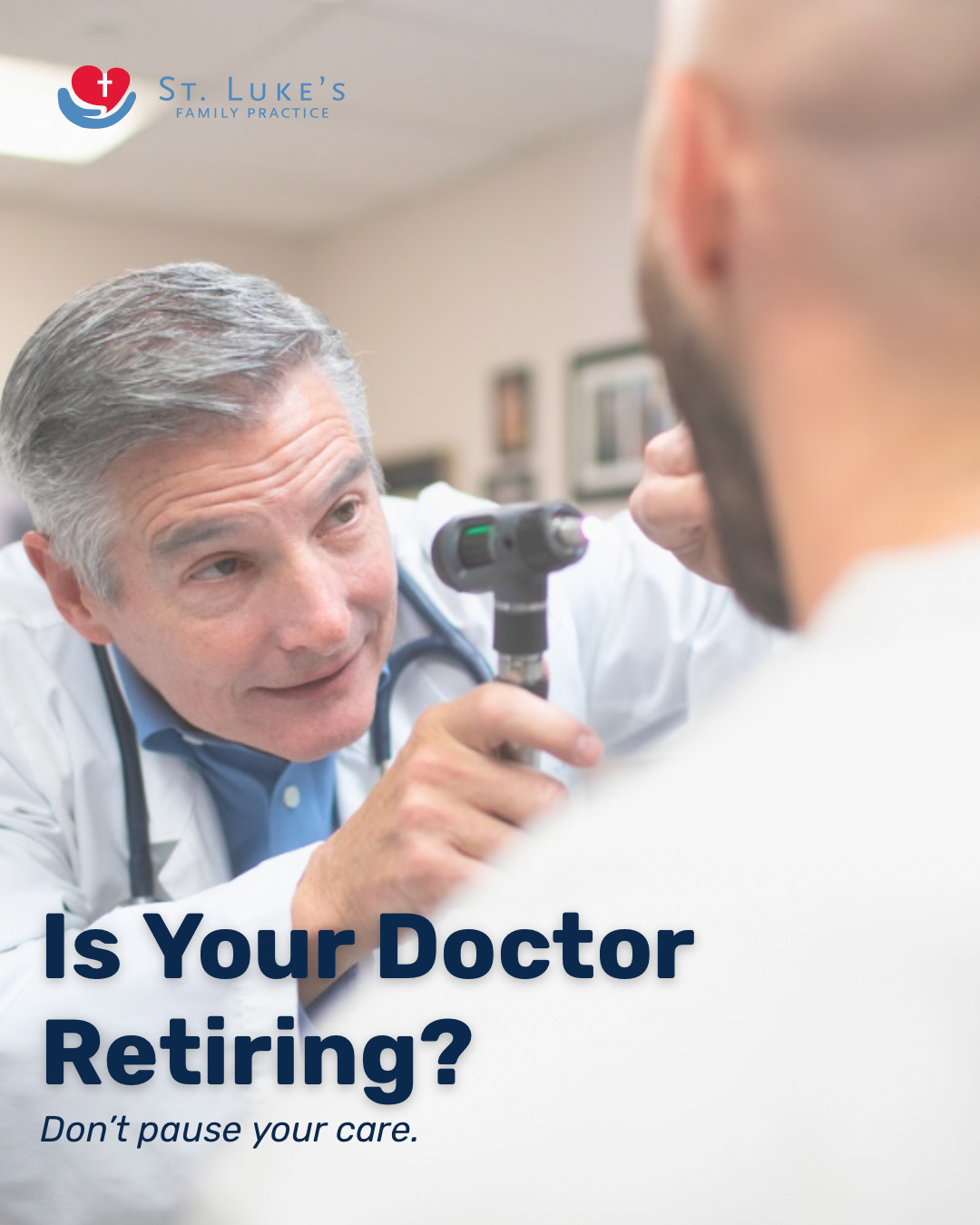
If your doctor is retiring, you might be feeling a mix of emotions — surprise, worry, or even a little sadness. After all, this is someone who’s known your story, your health history, and maybe even your family for years. You may scramble to find a new doctor, often facing long wait times for appointments and feeling like just another number in a busy practice. The traditional insurance-driven model frequently limits appointment times, prioritizes volume over individual needs, and can lead to physician burnout.
So, What Happens Next?
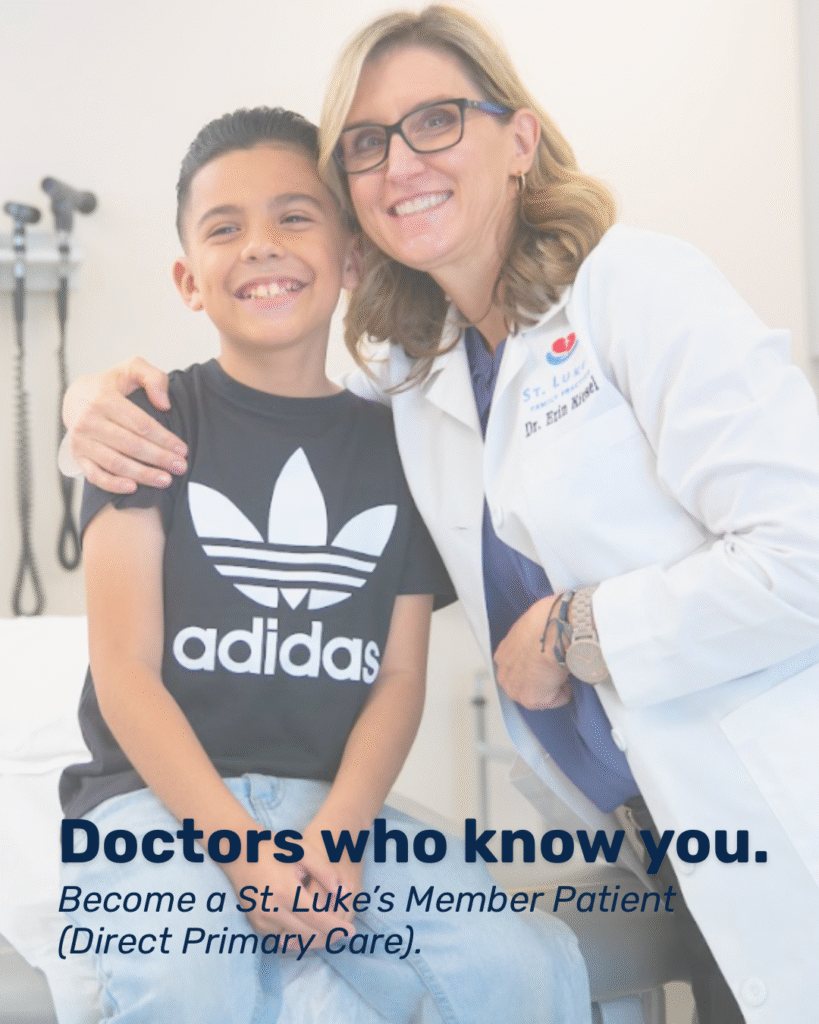
Here’s the good news: A growing number of physicians are choosing a care model called Direct Primary Care (DPC) or a charitable concierge care approach. These models keep your healthcare personal, accessible, and consistent.
Continue reading to learn how this approach works and why you might actually gain more personalized care in the process.
What Are Direct Primary Care and Charitable Concierge Care?
Imagine having a doctor who knows you — not just your chart — and who’s easy to reach when you need them. That’s the idea behind Direct Primary Care (DPC) and charitable concierge care. Both models bring healthcare back to its roots: a trusted relationship between you and your physician, without the insurance red tape.
Direct Primary Care
In a Direct Primary Care (DPC) model, you pay a simple monthly or annual membership fee directly to your doctor, rather than being billed for each visit. That membership covers most of your everyday care — office visits, basic lab work, and even phone, text, or video check-ins.
According to the American Academy of Family Physicians, here’s what makes DPC so appealing:
- Same-day or next-day appointments: No long waits.
- More extended visits: Your doctor has time to really listen.
- Direct communication: You can often text or email your physician.
- Simple, predictable pricing: One monthly fee, no surprise bills.
- Personalized care: Smaller patient panels allow your doctor to get to know you better.
Because DPC doctors don’t rely on insurance billing, they can focus on what really matters — you. Studies show that this model improves both patient satisfaction and physician well-being.
Charitable Concierge Care
Charitable concierge care takes the same personalized approach and adds a mission-driven twist — it combines the benefits of concierge medicine with a compassionate approach for patients who require extra support.
In this model:
- Membership fees often reflect your income or follow a sliding scale.
- Philanthropic donations or sponsorships help cover the cost of care for those in need.
- Doctors often reinvest their time and resources into community programs, outreach, or free clinics.
It’s healthcare that not only gives you better access but also helps your doctor extend quality care to others who might otherwise go without.
Both DPC and charitable concierge care offer something rare in today’s healthcare world: time, trust, and a genuine connection.
How DPC Provides a Seamless Transition When Your Doctor Retires
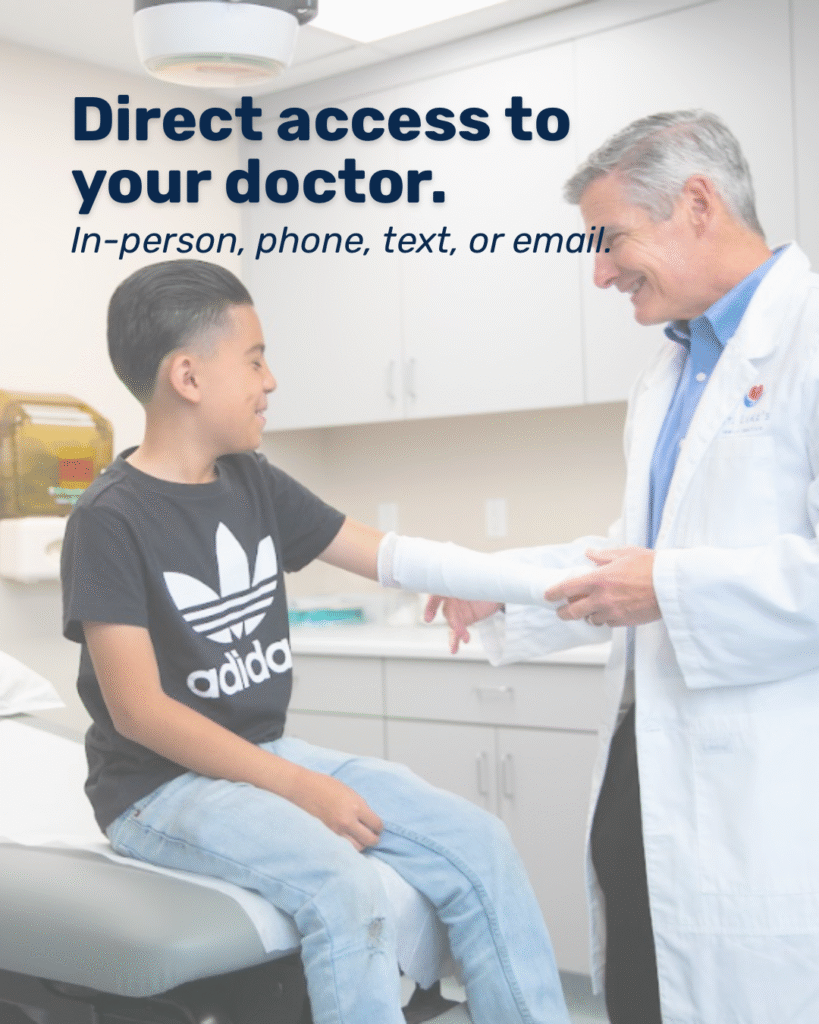
When your doctor retires, transitioning to a DPC practice can offer significant advantages:
- Personalized care from day one: DPC doctors take the time to get to know you, your health history, and your goals. This in-depth approach minimizes the feeling of starting over with a new provider.
- Enhanced communication: Having direct contact with your care team ensures you can promptly address concerns, ask questions, and receive timely advice.
- Proactive health management: The focus on prevention and wellness in DPC means your new doctor will be actively engaged in maintaining your health, rather than just reacting to illnesses.
- No more “lost in the system” feeling: Smaller patient loads mean your DPC doctor truly knows you, reducing the chance that your unique health story gets overlooked during a transition.
In short, DPC offers the best of both worlds: your doctor gets to slow down, and you get better access and continuity.
Don’t Miss a Beat: Take Control of Your Healthcare Future
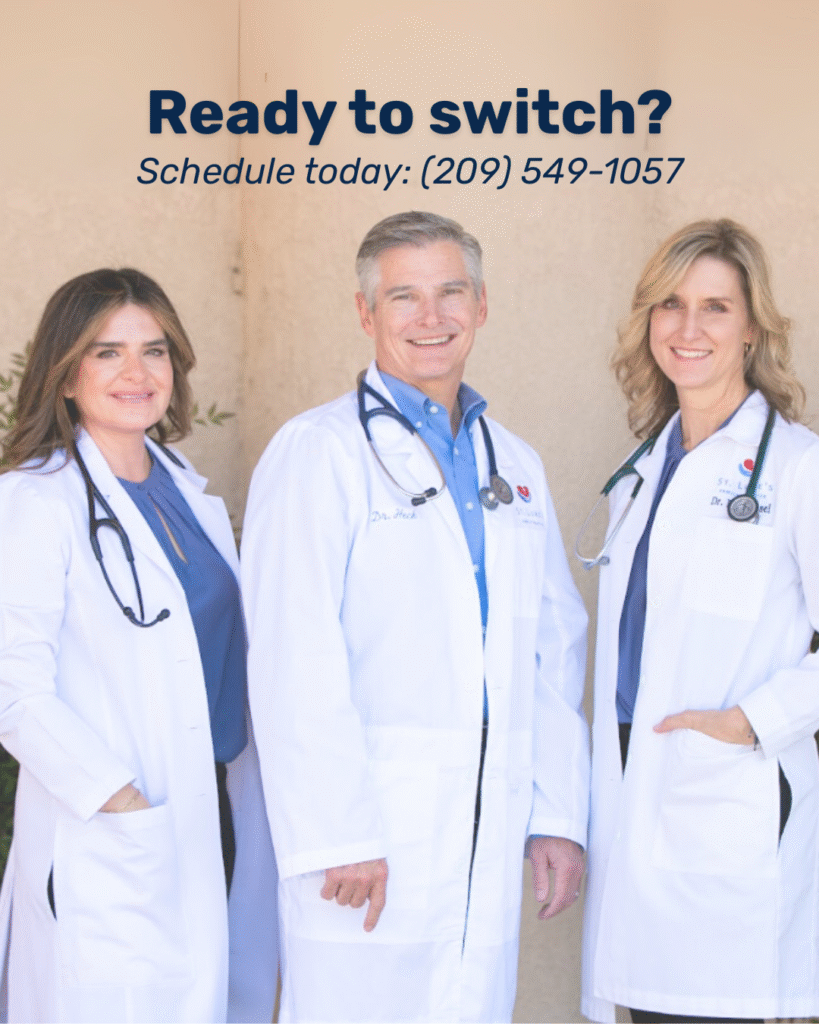
The retirement of your doctor doesn’t have to mean a disruption in your health journey. Exploring DPC offers an exciting opportunity to find a new medical home where you are valued, heard, and proactively cared for. With the potential for charitable concierge care models to expand, the future of primary care appears brighter and more equitable than ever.
Help Us Make Healthcare Accessible for All
Charitable concierge medicine represents a transformative approach to making high-quality medical care affordable and accessible. By reimagining traditional healthcare delivery models, it holds the power to reduce disparities and improve health outcomes for underserved populations. As more organizations adopt this model, we move closer to a healthcare system that truly serves everyone.
St. Luke’s has provided over 63,000 free office visits to underserved individuals in our community, serving as a vital resource for those with few other options.
Early diagnosis of cancer and other serious illnesses has saved lives and connected patients with specialized treatment programs. The practice has also helped manage chronic conditions, such as diabetes, hypertension, and high cholesterol, preventing strokes, heart attacks, and hospitalizations. It improves patient health outcomes and saves Stanislaus County taxpayers significant healthcare costs.We’re proud that St. Luke’s model has inspired the development of numerous charitable practices nationwide. Support St. Luke’s or contact us to schedule care today!